The Western District Coordinating Council recently brought together district partners from a variety of sectors (law enforcement, legislature, health care, community providers, etc.) to share ideas and solutions to address this growing opioid problem.
One of the highlights of this forum was a back to work program that has been implemented in Oxford County. A significant part of the Western Maine Addiction Recovery Initiative is Project Save ME, where people who are in active substance use can go to any police department in Oxford County and ask for help.
Many aspects of Project Save ME have contributed to its success, including trained recovery coaches, area social service agencies and a partnership with C.N. Brown. Early on, C.N. Brown noticed that substance use disorder was affecting their business and employees and decided to be a part of the solution. Those who enter into Project Save ME and get into recovery have the potential to be an employee of C. N. Brown. Individuals who have reached six months of recovery and received a letter of recommendation from their counseling can get help with getting a job at a local Big Apple store.
The liaison between the Western Maine Addiction Recovery Initiative and C. N. Brown has talked about how positive the partnership has been and a willingness to reach out to other businesses to bring more potential employment options to Project Save ME. The Western DCC is looking forward to extending the project to the other two counties in the district as well.
Tuesday, November 15, 2016
Friday, October 21, 2016
Changes to Maine's Childhood Lead Poisoning Law
In September, Maine CDC began implementing changes to Maine’s
law that requires lead hazard inspections in the homes of children with lead
poisoning. The amendments changed the State’s definition of lead poisoning to a
blood lead level of five micrograms per deciliter (5 ug/dL) or higher for
children younger than age six, which is also U.S. CDC’s definition of an
elevated blood lead level.
With the changes, Maine CDC expects to inspect about 500 rental
units for lead hazards each year—a five-fold increase in the number of units
over previous years. These inspections, along with a primary prevention
strategy underway in Maine communities with the highest burdens of lead poisoning,
make up Maine CDC’s efforts to eradicate childhood lead poisoning.
What can you do to prevent lead poisoning?
- Public Health Professionals: Learn about lead poisoning in your community
on the Maine
Tracking Network.
Work with municipalities to address lead hazards in rental properties
through code enforcement or outreach to property owners. Promote screening
and home lead dust testing among parents.
- Providers: Make sure your practice is
following Maine CDC’s screening and confirmation testing
guidelines – Maine CDC initiates an inspection of a child’s
home environment for venous blood lead test results of 5 ug/dL or
higher.
- Property
Owners:
Regularly maintain painted surfaces in properties built before 1978 – find out more.
- Parents: Talk to your child’s
doctor about a blood lead test and find out if you have lead dust in your
home with a free kit from the Maine CDC – order online at maine.gov/healthyhomes.

Thursday, October 20, 2016
News from the Districts - Cumberland
Whether it’s about levels of lead in drinking water at Yarmouth schools or concerns about well water levels on Long Island, Local Health Officers in Cumberland Public Health District are fielding questions about water quality and safety in their communities. Cumberland County was also recently included in the areas in Maine affected by drought, according to assessments of the State Drought Task Force.
Maine CDC and the Cumberland County Emergency Management Agency partnered to organize an information and outreach session on water issues for Local Health Officers on Tuesday. David Braley, Senior Environmental Hydrogeologist with the Maine CDC Drinking Water Program, and Mike Koza from the Portland Water District, presented.
The event was the first in a series of information and networking meetings aimed at strengthening relationships and support between Maine CDC, Cumberland Emergency Management Agency and Local Health Officers in Cumberland, many of whom are volunteers.
Maine CDC and the Cumberland County Emergency Management Agency partnered to organize an information and outreach session on water issues for Local Health Officers on Tuesday. David Braley, Senior Environmental Hydrogeologist with the Maine CDC Drinking Water Program, and Mike Koza from the Portland Water District, presented.
The event was the first in a series of information and networking meetings aimed at strengthening relationships and support between Maine CDC, Cumberland Emergency Management Agency and Local Health Officers in Cumberland, many of whom are volunteers.
Monday, September 19, 2016
News from the Districts - York
Public Health
Emergency Preparedness has been a focus of the York District Coordinating
Council, District Liaison and other interested parties for some time. Over the
course of the last few years, events designed to recruit Medical Reserve Corps
(MRC) members and tabletop exercises to showcase, educate and enhance overall
preparedness have been led by this group.
Beginning
in late 2015, stakeholders from across York Public Health District have been
planning a full- scale public health emergency preparedness exercise. The
culmination of this planning will be a Point of Dispensing exercise, also known
as a POD. The term POD refers to an organized method to distribute medicine to
the public during an emergency. This exercise will take place on October 19 at
the University of New England’s Harold Alfond Forum.
This
event will feature two POD distribution models. One will be administering
“live” flu vaccine; the other will be handing out the mock bottles of
ciprofloxacin or doxycycline needed to provide “post-exposure” medication based
on the circumstances of the individuals presenting for triage. This
multifaceted event has an overall objective of exercising and evaluating the
University of New England as a new POD location as well as determining the
capacity to deliver public health services on a challenging scale.
This
collaboration has yielded additional benefit for Maine CDC, district stakeholders
and the University of New England. For example, the University of New
England has incorporated aspects of planning and staffing the event into their
established curriculum for public health and medical students. This opportunity
provides tangible, real-world experience for students to participate and
understand an emergency response within the Maine Public Health structure.
Friday, September 16, 2016
Maine CDC Coordinator Honored at Patient Safety Academy
 Rita Owsiak,
Maine CDC’s Healthcare Associated Infections Coordinator, was recently
recognized as a recipient of the Rising Tide Award for 2016. The award
was presented at the annual Patient Safety Academy at the University of
Southern Maine in Portland on September 8. Rita Owsiak,
Maine CDC’s Healthcare Associated Infections Coordinator, was recently
recognized as a recipient of the Rising Tide Award for 2016. The award
was presented at the annual Patient Safety Academy at the University of
Southern Maine in Portland on September 8.
The Rising Tide Award is presented to individuals or
organizations who are demonstrating outstanding achievement and commitment to
best practices in patient safety in Maine.
Oswiak was also a presenter at the Patient Safety Academy,
which brings together healthcare professionals for knowledge- and
skill-building workshops. Public health, physician practices, pharmacies,
hospitals, long-term care facilities, advocates and other agencies
participate in the annual event.
Congratulations, Rita.
|
Thursday, September 15, 2016
National Cholesterol Month
September is a good time to get your cholesterol checked and
take steps to get it under control.
What is Cholesterol?
Cholesterol is a type of fat found in blood and is found in
foods we eat including eggs, meats, fish and whole-fat dairy products. Foods
like fruits, vegetables and whole grains contain none. Our body also makes
cholesterol. Risk factors that can lead to high cholesterol include being
overweight/obese, poor eating habits, family history, age or gender.
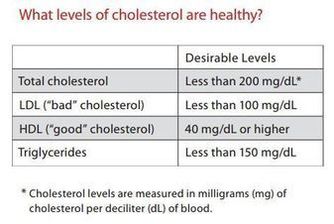
Know your numbers:
U.S. CDC recommends that adults age 20 or older have their
cholesterol checked every five years. This can be done with a simple
blood test.
Reduce your risk:
By living a healthy lifestyle, you can help keep your
cholesterol in a healthy range and lower your risk for heart disease and
stroke. A healthy lifestyle includes:
- Eating a healthy
diet. Avoid saturated fats and trans fats. Polyunsaturated fats can
actually lower cholesterol levels. Eating fiber also can help lower
cholesterol.
- Exercising regularly. The
Surgeon General recommends that adults engage in moderate-intensity
exercise for two hours and 30 minutes every week.
- Maintaining a healthy
weight.
- Not smoking. If you smoke,
quit as soon as possible.
For more information on cholesterol:
Monday, September 5, 2016
Suicide Prevention Month
Each year, Maine joins the United States and the international
community in recognizing World Suicide Prevention Day on September 10. Suicide
continues to be a public health concern, with 689 deaths by suicide between
2011 and 2013 in Maine. In addition, between 2011 and 2013, suicide was the
first leading cause of death for Maine adolescents between the ages of 10 and
14, second among Maine residents between 15 and 34 years of age, and fourth
among Maine residents between the ages of 35 and 54. Suicide is
preventable and knowledge, understanding and support can save lives
If you suspect someone you know may be at risk of suicide,
follow these steps:
- Show you care by listening
carefully and without judgment.
- Ask them if they are thinking
about suicide. Be direct and empathetic. (Asking about suicide does not
increase the risk of suicide.)
- Stay with them (or have another
caring person stay with them) while you locate help.
- Call the Maine Crisis Hotline
(1-888-568-1112) or the National Suicide Prevention Lifeline
(1-800-273-8255).
- If the person is at immediate
risk of harming themselves, call 911.
For more information on how you can help prevent suicide in your
community or workplace, contact Amy Ouellette at the Maine Chapter of the
National Alliance on Mental Illness (NAMI Maine), 622-5767, extension 2318.
NAMI Maine hosts many training opportunities throughout the year.
Remember: Suicide is
preventable. Knowledge, understanding, and support can save lives.
Friday, August 19, 2016
Antimicrobial-resistant Gonorrhea
Gonorrhea is the second most commonly reported notifiable
disease in the United States. National concerns about increasing rates of
gonorrhea and increasing antimicrobial resistant strains of N. gonorrhoeae are
prompting increased efforts to ensure adherence to the revised 2015 Sexually
Transmitted Disease Treatment Guidelines.
U.S. CDC now recommends treating gonorrhea with ceftriaxone
250 mg as a single intramuscular dose and azithromycin 1 g orally.
Clinicians need to use dual therapy and stay up to date with
treatment recommendations:
- Data show that resistance
decreases when the correct dual therapy is used.
- Using azithromycin as a monotherapy
to treat gonorrhea might promote the emergence of azithromycin resistance.
- Patients with cephalosporin
allergies should be treated with azithromycin 2 g plus either gentamicin
or gemifloxacin.
There has been a steady increase in the number of reported
gonorrhea cases in Maine. As of June 30, 2016, 251 cases of gonorrhea have been
reported to the Maine CDC. The five-year median for this time period is 116
cases. The increase in gonorrhea in Maine mirrors a national trend reported by
U.S. CDC.
Thursday, August 18, 2016
Tick-borne Diseases Update
Reports of multiple tick-borne diseases to Maine CDC are
indicating an increase in all tick-borne diseases. Physicians have already
reported more anaplasmosis cases so far this year than all of last year, and
babesiosis and Lyme numbers are steadily increasing as well. Providers should
be aware of the risk and prevalence of these diseases and consider them in
their diagnoses.
Anaplasmosis:
- 228 cases reported to date in
2016, compared to 186 in all of 2015
- 116 cases reported from the Mid
Coast region (Knox 49, Lincoln 43, Sagadahoc 18 and Waldo six)
Babesiosis:
- 49 cases have been reported to
date in 2016, compared to 55 in all of 2015
- 13 cases reported from York
county, ten cases from Knox county
Lyme disease:
- Lyme disease cases take several
months to be entered and classified, so current numbers are not available
at this time
Powassan:
- No cases have been reported to
date in 2016, compared to one in all of 2015
Co-infections:
Because all of these diseases are carried by the same tick
(Ixodes scapularis), a person may be infected with more than one disease.
- To date, 11 co-infections have
been reported: four co-infections with anaplasmosis and Lyme disease, two
co-infections with babesiosis and Lyme disease and five co-infections with
anaplasmosis and babesiosis.
- In 2015, 22 co-infections were
reported: ten co-infections of Lyme disease and anaplasmosis; eight
co-infections of Lyme disease and babesiosis; one co-infection of
anaplasmosis and babesiosis; one co-infection of Lyme disease,
anaplasmosis and babesiosis; one co-infection of Lyme disease and
ehrlichiosis; and one co-infection of babesiosis and ehrlichiosis.
Recommendations for Providers:
- Consider tick-borne illnesses
in your differential, particularly for individuals with “summer flu”
symptoms
- Submit samples for testing
- Treat patients appropriately –
recommendations for treatment are available from http://www.idsociety.org/uploadedfiles/idsa/guidelines-patient_care/pdf_library/lyme%20disease.pdf
- Report cases. All tick-borne
illnesses are reportable in Maine, including the erythema migrans rash
which is confirmatory. All cases should be reported by phone to 1-800-821-5821
or by fax to 1-800-293-7534.
For more information:
- Maine CDC vectorborne webpages:
http://www.maine.gov/dhhs/mecdc/infectious-disease/epi/vector-borne/index.shtml
- Maine Physician’s Reference
Guide: http://www.maine.gov/dhhs/mecdc/infectious-disease/epi/vector-borne/documents/tick-reference-guide.pdf
- Lyme forms for providers: http://www.maine.gov/dhhs/mecdc/infectious-disease/epi/vector-borne/lyme/index.shtml#resourcephysicians
- Guidance on treatment: http://www.idsociety.org/uploadedfiles/idsa/guidelines-patient_care/pdf_library/lyme%20disease.pdf
- Lyme disease data: https://data.mainepublichealth.gov/tracking/home
Monday, August 1, 2016
National Breastfeeding Awareness Month
Breastfeeding is one of the most effective steps a mother can
take to protect the health of her baby. All major medical authorities recommend
that mothers breastfeed exclusively for six months. In 2013, 87 percent of
Maine infants were ever breastfed, similar to the national average. More Maine
infants were exclusively breastfed for six months, 32 percent, than compared to
the U.S., 22 percent.
Maine’s efforts to protect, promote and support breastfeeding
include:
- 6 for ME, a healthcare quality
improvement initiative focused on breastfeeding best practices
- Women Infants and Children Nutrition Program (WIC):
Breastfeeding Peer Counseling Program and Breast Pump Loaner Program
- An active Maine State
Breastfeeding Coalition
- Collaborating with businesses
and communities to implement Maine’s Nursing Mothers in the Workplace and Right to Breastfeed laws
Friday, July 22, 2016
State Lab Improves Foodborne Illness Surveillance
Maine CDC's Health and Environmental Testing Laboratory (HETL) is
a member of PulseNet, a national laboratory network that connects foodborne illness
cases to detect outbreaks from people eating contaminated food. Since the
network began in 1996, PulseNet has improved food safety systems in Maine by
identifying outbreaks early and identifying the source of the contaminated
food. This network is changing the test methods used to identify outbreaks.
Through two U.S. CDC grants, the HETL has been able to upgrade its
equipment and protocols to allow for the lab to conduct this next-generation
DNA fingerprinting, known as ‘whole genome sequencing.’ This method
allows the HETL to increase surveillance of antibiotic and antiviral resistance
mechanisms, identify rare bacteria and viruses and increase foodborne illness
surveillance.
Thursday, July 21, 2016
Keep Cool, Drink Fluids and Reduce Activity to Prevent Heat-Related Illness
During these hot summer days we can all use a reminder to keep cool,
drink fluids and lie low to prevent heat-related illness.
Older adults, infants, pregnant women, people who have chronic diseases
and those who work outside or in hot environments are most at risk for
heat-related illnesses. On hot days, people need access to air conditioning or
shade and those who are working outside should be sure to drink more fluids to
stay hydrated.
It is also a good idea to check on the elderly and
relatives who live alone to make sure they are able to stay cool.
For more on how to recognize and prevent heat illness: http://www.maine.gov/dhhs/mecdc/environmental-health/heat/index.html
Use the Maine Tracking Network to find data about heat illness in
Maine: https://data.mainepublichealth.gov/tracking
Wednesday, July 6, 2016
Cancer Registry Recognized
Maine CDC's cancer registry has been recognized by U.S. CDC's National
Program of Cancer Registries (NPCR) as a Registry of Excellence for 2015.
Maine is one of 22 states to achieve this designation, which
reflects the submission of high quality data for cancer prevention and control
activities. The data met all of NPCR's standards for data completeness and
quality.
In addition, the North American Association of Central Cancer
Registries has recognized Maine CDC's cancer registry for meeting its Gold
Standard on quality, completeness and timeliness of 2013 data.
Friday, July 1, 2016
National Cleft and Craniofacial Awareness and Prevention Month
July is National Cleft and Craniofacial Awareness and Prevention
Month. U.S. CDC estimates that about 7,000 babies will be born with a cleft
in the United States this year, a condition created when tissue in the baby’s
upper lip or the roof of the mouth does not join together completely during
pregnancy, leaving an opening in the roof of the mouth.
Clefts are usually repaired surgically in the first year of life,
though many children require additional surgeries and treatments through adolescence
to correct challenges to breathing, eating, or speech development. Individuals
born with cleft lip or palate often need specialized dental or orthodontic care
throughout their lives.
For more information, visit http://www.nccapm.org/
Tuesday, June 28, 2016
Nutrition Label Changes
The U.S. Food and Drug Administration (FDA) finalized the new
nutrition facts label for packaged foods to reflect new scientific information,
including the link between diet and chronic diseases such as obesity and heart
disease. Among the changes to help consumers is the addition of grams of added
sugars below "Total Sugars." Manufacturers will need to use the new
label by July 26, 2018, although manufacturers with less than $10 million in
annual food sales will have an additional year.
For more information, go to http://go.usa.gov/xqZzA
Monday, June 27, 2016
Maine Immunization Champion Announced
U.S. CDC has named Jeri Greenwell of Bethel as Maine’s 2016
Childhood Immunization Champion for her outstanding efforts to promote
childhood immunizations.
Greenwell has made it her life’s mission to improve awareness
about vaccine-preventable diseases. She has developed relationships with
political leaders from both sides of the aisle, spoken with many about the
importance of vaccination and has met with various groups and individuals to
provide education. In addition, Greenwell has coordinated school-based
activities with school nurses, students and parents to support on-time
immunizations.
Greenwell’s passion and commitment to children’s health is
driven by her family’s personal tragedy. In 2003, her son, Jerry, awoke with
flu-like symptoms and by evening, he was admitted to the hospital in critical
condition. Despite aggressive, round-the-clock care, Jerry died from
meningococcal meningitis with this family by his side. This disease is
preventable through immunization.
“Only those who have experienced their child or loved one
suffering from the devastating consequences of a vaccine-preventable disease
can truly comprehend the impact it has on a family or parent,’’ said Maine
Department of Health and Human Services Commissioner Mary Mayhew. “Jeri has
been a tireless advocate for childhood immunization and has turned her grief
into positive action.”
Each year during National Infant Immunization Week, the U.S.
CDC and its CDC Foundation honor health professionals and community leaders
from around the country with the CDC Childhood Immunization Champion awards.
These awards acknowledge the outstanding efforts of those individuals who
strive to ensure that children in their communities are fully immunized against
14 preventable diseases before age two.
Friday, June 24, 2016
Maine CDC Earns National Public Health Accreditation
Maine CDC has earned public health accreditation from the Public
Health Accreditation Board (PHAB). Maine CDC joins 18 other state health departments
that have achieved this distinction. Fewer than 200 health departments
across the nation are accredited.
The PHAB’s goal is to improve and protect public health by
transforming the quality and performance of public health departments.
This national program, jointly supported by the U.S. Centers for Disease
Control and Prevention and the Robert Wood Johnson Foundation establishes
rigorous standards that foster continuous quality improvement and excellence.
To earn accreditation, a health department must undergo a multi-faceted,
peer-reviewed assessment process to ensure it meets or exceeds these quality
standards and measures. Maine CDC has been working toward
accreditation over the last several years.
The PHAB
standards cover a dozen different domains including public health assessments,
investigation and surveillance, communication and education, community
collaboration, policies and planning, enforcement of public health laws,
workforce capacity, leadership and process improvement. A full list of
the domains and the multiple standards associated with them can be found at http://www.phaboard.org/wp-content/uploads/PHABSM_WEB_LR1.pdf.
Maine’s
accreditation is in effect for five years.
Thursday, June 23, 2016
Maine CDC Announces New Leadership
Last month, Maine CDC announced a change in leadership that will
provide both strong operational leadership and clinical expertise to the CDC
and position it for continued success.
Sheryl Peavey has been appointed the Chief Operating Officer
(COO), and Dr. Christopher Pezzullo has been named the State Health
Officer. The COO will be responsible for day-to-day operational
decision-making, while the State Health Officer’s clinical expertise will
inform decisions affecting public health for the Maine CDC and the DHHS.
Both positions will report directly to DHHS Commissioner Mary Mayhew. Former
Maine CDC Director Kenneth Albert resigned to take a job in the private sector.
Prior to this appointment, Peavey served as DHHS’ Director of
Strategic Reform. She has played an integral role in budget development,
contract evaluation, competitive procurement, Request for Proposal review and
development, performance measurement, grant approval and quality improvement
for the Maine CDC and other DHHS offices since 2013. While in this role, she
represented Maine at the Governor’s Office of Management and Budget’s Achieving
Results in State Government Summit in Utah.
Peavey is a graduate of Brandeis University as well as a member
of the Phi Class of Leadership Maine, a program of the Maine Development
Foundation. Since 2009, she has served continuous terms as an elected
member of her town’s Budget Committee. Her experience over a
12-year career in State government that focused on developing coordinated and integrated
programs and systems across all of DHHS has positioned her to provide strong
stewardship of public funds as we seek to achieve measurable outcomes that
preserve, promote and protect the health of all Maine people.
Dr. Pezzullo has been practicing medicine for nearly 20 years in
Maine as a pediatrician He’s a graduate of the University of New England
College of Osteopathic Medicine and has been recognized as a Diplomate of the
American Board of Pediatrics and the National Board of Osteopathic Medical Examiners.
He became DHHS’ Chief Health Officer in 2014. During the last
year, Dr. Pezzullo has been a driving force behind the Department’s efforts to
address the public health epidemic of opioid and opiate use. He has
informed new laws that lower prescribing duration and prescription strength,
supported the required use of the Prescription Monitoring Program and assisted
in the development and creation of a new pilot project to test Vivitrol to
combat addiction.
Dr. Pezzullo joined Maine CDC as the Medical Director of the
Division of Population Health in 2012. Prior to joining State government,
he was the Chief Medical Officer for University Health Care from 2008 to 2012.
Dr. Pezzullo was also recently named the Maine Osteopathic
Association’s Physician of the Year.
Friday, June 10, 2016
Health Risk from Browntail Moths
The browntail moth caterpillar has tiny poisonous hairs that cause
a rash similar to poison ivy on sensitive individuals that will usually last
for a few hours up to several days. On some sensitive individuals, the rash can
be severe and last for several weeks. People may develop a rash from direct
contact with the caterpillar or indirectly from contact with airborne hairs.
The rash results from both a chemical reaction to a toxin in the hairs and a
physical irritation as the barbed hairs become embedded in the skin. Respiratory
distress from inhaling the hairs can be serious.
Caterpillars are active from April to late June. Hairs remain toxic
throughout the summer but get washed into the soil and are less of a problem
over time.
The Maine Forest Service is receiving increased reports of caterpillars
and their webs. Maine has known populations of browntail moths in Bowdoinham,
Bath, Topsham, West Bath, Woolwich (Sagadahoc County) Brunswick, Freeport and
Harpswell (Cumberland County) this year. The infestation is expanding south
into Yarmouth and Cumberland (Cumberland County) and east into Wiscasset,
Edgecomb and Boothbay (Lincoln County) and beyond.
The Maine Forest Service has seen pockets of infestation, some of
them heavy, in other locations from Turner (Androscoggin County) to Waterville
(Kennebec County) to Bristol (Lincoln County) to Kittery (York County).
Browntail moth control may be occurring in certain areas, but the
risk to the public remains high in affected areas.
Recommendations to reduce exposure:
- Avoid
places heavily infested by caterpillars.
- Take
a cool shower and change clothes after any activity that might involve
contact with browntail moth hairs.
- Dry laundry
inside during June and July to avoid having the hair become impregnated in
clothing.
- Wear
respirator, goggles and coveralls tightly closed at neck, wrists and ankles
when performing activities that stir up caterpillar hairs such as mowing,
raking, weed whacking and removing pupal webbing from eaves and
boats. Perform these tasks on damp days or wet down material with a
hose to help keep the hairs from becoming airborne.
For more information:
- Maine
Forest Service Browntail moth webpage: http://www.maine.gov/dacf/mfs/forest_health/invasive_threats/browntail_moth_info.htm
Thursday, June 9, 2016
New Asthma Action Plan Available for EMR
The Maine CDC Chronic Disease Prevention and Control Program has
two new Asthma Action Plans available on its website – a pediatric and an adult
plan. These plans were developed as a collaborative effort by clinical staff
(primary and specialty care) at MaineHealth and incorporates feedback from the
Maine Asthma Coalition, the Maine Chapter of the American Academy of Pediatrics
and the Maine Association of School Nurses.
The plans comply with Meaningful Use reporting requirements and
Maine’s statute “An Act To Authorize Certain School Children To Carry Emergency
Medication On Their Persons.” School nurses utilize Asthma Action Plans as an
important tool to help their students with asthma. A uniform plan will
improve ease of use for providers, parents and school nurses.
The plans are available by clicking here. They can be scanned or
imported into the electronic medical record or printed.
The National Heart Lung and Blood Institute states that a
written Asthma Action Plan is one of the most effective methods to help
patients manage their disease. Utilizing one form across practices and
hospitals to treat people with asthma will improve coordination and quality of
care.
The Maine CDC Chronic Disease Prevention and Control Program continues
to provide paper copies of the Maine Asthma Coalition’s pediatric Asthma Action
Plan.
Subscribe to:
Comments (Atom)